


 Products


Construction technologies in the field of house construction are developing dynamically. The so-called “winter holidays” of construction workers, symbolized by unfinished buildings covered with snow, have become a thing of the past. The two to three month inactivity was explained simply - in cold times, when the air temperature drops below zero degrees, the water included in the concrete mixture or masonry mortar freezes. The cement hydration process stops completely, concrete hardening stops, and the material is considered damaged and unsuitable for further use. Accordingly, along with the builders, concrete plants that supplied ready-mixed concrete for construction projects also stood idle in the winter.
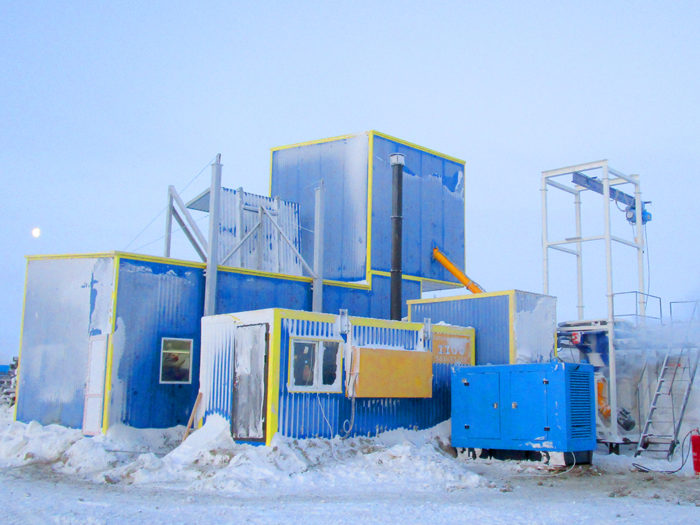
Especially the production of concrete mixtures in winter
Currently, antifreeze additives are widely used, lowering the freezing threshold of water in cement paste to a temperature of 15-20 degrees C below zero. However, to produce high-quality concrete at a concrete plant in the cold winter season, it is necessary not only to prevent water from freezing when mixing a mixture of cement binder with inert fillers, but also to heat the working premises of the enterprise to provide comfortable conditions for personnel and control automation, which malfunctions at sub-zero temperatures.
The universal algorithm for winter concrete production is to comply with the following technological requirements:
- ensuring the temperature of process water for mixing in a concrete mixer in the range from plus 40 to 70 degrees. C;
- heating of inert components - sand, crushed stone, gravel - to a temperature in the range from plus 5 to 20 degrees. C;
- ensuring in the premises and on the production site of the BSU the temperature conditions necessary for the trouble-free operation of units and actuators, measuring, monitoring and control devices in the “one button” mode;
- creating comfortable working conditions for BSU personnel.
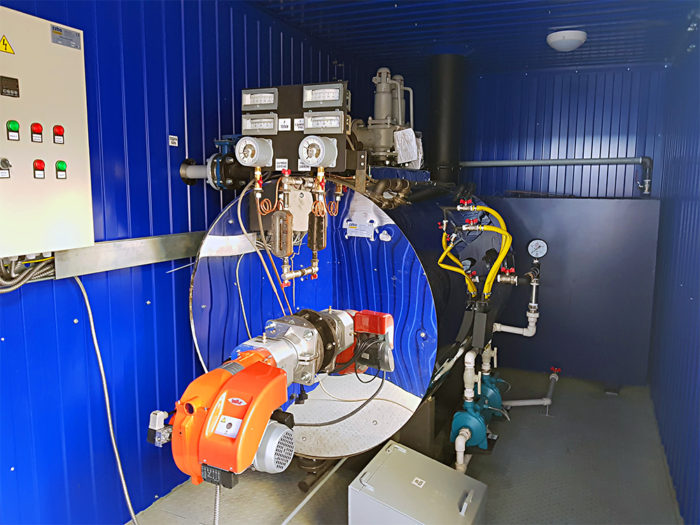
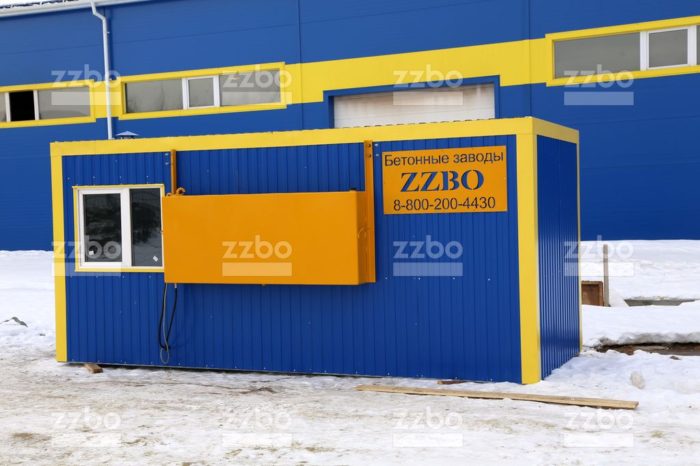
Thermal station ZZBO
The global industry produces various models of power plants adapted for operation in winter as part of concrete plants as heat generating devices (hereinafter referred to as TGU) for heat supply systems. Depending on the design and purpose of the TGU, the coolant can be hot air, live steam, steam-air or steam-gas mixtures.
This is important! In all types of TGUs, the energy carrier is diesel fuel or natural gas, since the use of electricity is too expensive, and the use of alternative energy sources - coal, firewood, pellets - is very problematic due to the complexity of automating the process of their combustion and heat removal.
Among domestic TSUs, ZZBO thermal stations produced by the Zlatoust Concrete Mixing Equipment Plant (ZZBO) are widely used. The range of produced thermal stations and the range of basic elements (see page https://zzbo.by/parogeneratory/ factory website) covers models of heat generators with a thermal power of up to 600 kW and steam generators with a capacity of up to 2000 kg of steam/hour. Both types of units operate on diesel and gas fuel, and the customer can determine the type of burner at the ordering stage, taking into account the availability of liquid or gas fuel in his region.
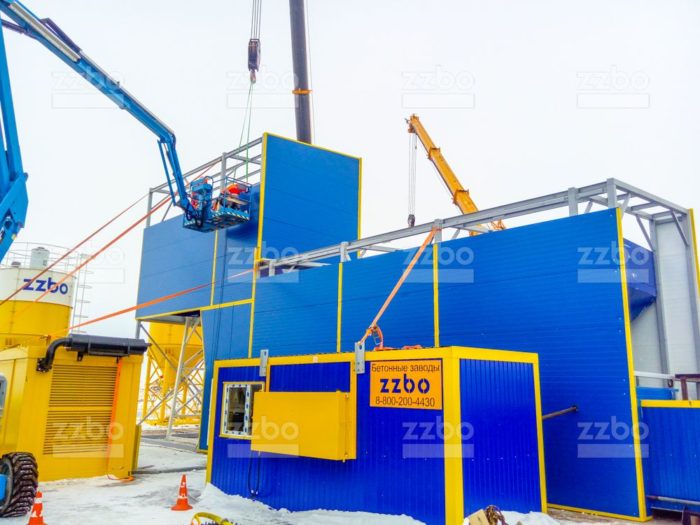
Features of operation of thermal power plants ZZBO
Depending on the thermal power of the heat generator and the productivity of the steam generator, the estimated fuel consumption for thermal stations is:
- from 15 to 35 liters of diesel fuel/hour – for liquid fuel;
- from 20 to 38 cubic meters meters of natural gas/hour – for gas fuel.
Accordingly, during an 8-hour shift the following will be spent:
- up to 280 liters of diesel fuel or
- 304 cubic meters of natural gas.
At current prices for liquid and gas fuel (1 liter of diesel fuel sells for an average of 46 rubles, 1 cubic meter of gas for 6 rubles), the approximate cost of fuel used for one shift will be:
- diesel fuel - 12,880 rubles;
- natural gas – 1824 rub.
Many concrete producers are somewhat embarrassed by these costs, because in the summer they do not have to shell out such amounts. But let's be honest - after all, the price of ready-mixed concrete is higher in the winter season! For example, the so-called “hot concrete”, which can be transported and laid even in frosts down to -20 degrees, is especially popular among developers in winter. C.
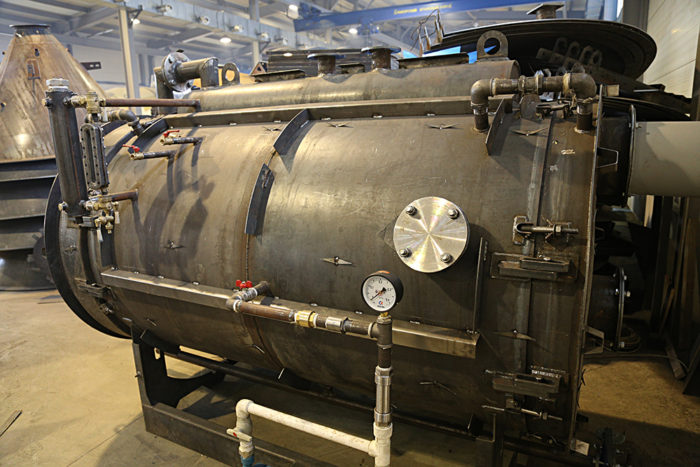
Preparation of hot concrete
The technology for preparing hot concrete is based on preliminary thermal preparation of the components of the concrete mixture:
- the water is heated to a temperature not lower than +86 degrees. C;
- coarse aggregate must be heated to +40 degrees. C and above.
Additional information. Mixing concrete components with hot water in a concrete mixer significantly increases the coefficient of interaction of the cement binder with water. As a result, the final strength of hardening concrete is much higher than when it is heated in formwork using traditional technologies.
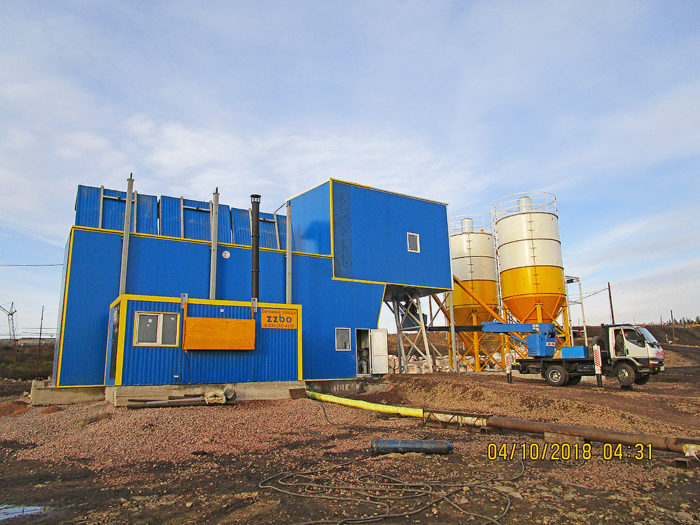
Comparison of fuel costs and the resulting revenue
Hot concrete is supplied at prices that take into account the additional costs of its production. On average, the cost of hot concrete of grades M100-M200 is more expensive by 100 rubles/cub.m and by 150 rubles/cub.m for grades M250-M400 compared to the production recipe without thermal preparation. The practice of operating ZZBO thermal stations has shown that a thermal power of 600 kW is enough to successfully use them in concrete plants with a capacity of up to 50 cubic meters. m/hour. If a concrete manufacturer has an order for hot concrete, then in one 8-hour shift, ZZBO equipment type SKIP-45 with a capacity of 30 to 45 cubic meters. m/hour will be able to produce up to 360 cubic meters of M200 grade concrete. The buyer's additional payment for hot concrete will be 36 thousand rubles. It is not difficult to calculate that the manufacturer of hot concrete, “warming up” with diesel fuel, will have (36,000 – 12,880) = 23,120 rubles left over one shift, and in the case of gas heating, the balance will be larger – 34,176 rubles. For 20 working days of a calendar month, a tidy sum accrues:
- about 460 thousand rubles. – for diesel fuel;
- over 680 thousand rubles. – for natural gas.
If an entrepreneur has orders for the winter period within the nominal load of the concrete mixer, then he can make good money. At the same time, he will retain all his connections developed during the summer season.
Conclusions and recommendations
Issues of heat supply to enterprises using technologies that consume thermal energy are necessarily linked to the availability of energy resources. For boilers that burn liquid fuel, it is necessary to have a developed road infrastructure to enable the smooth delivery of diesel fuel or fuel oil. Plus, a site for temporary fuel storage should be organized near the BSU. The use of natural gas is more profitable, gas is several times cheaper than diesel fuel, but its use for production purposes requires a project, examination and approval from technical supervisory authorities. ZZBO clients who intend to work all year round most often focus on gas fuel, since the pace of gasification in Russia ensures that natural gas pipelines cover the most remote corners of the country. In this case, the thermal station ZZBO on liquid fuel will be an excellent help in working in winter during the initial period of formation, providing constant profit to the enterprise and an increase in the rating of its management.


